DMR or TETRA For Superyachts
OLAS Communications1st Apr 23
We work with you to identify the key criteria and system features.
Our team of expert RF engineers will conduct physical and software surveys to ensure you have 100% coverage in all defined areas.
Our vendor-agnostic approach ensures you have the right solution for your budget.
Our team of highly skilled engineers will ensure your system is installed to the highest standard following our ethos of right first time.
Ensures your communications are tailored to all users and optimised so you have the highest quality user experience.
Why not have the experts maintain your system? We provide a host of health checks, updates and response times, our support packages are tailor made to ensure you have minimal disruption.



This radio system is line of sight and each radio communicates directly with each other. This is a low cost solution and recommended for vessels under 55m.


This radio system relies on multiple antennas throughout the vessel also known as a Distributed Antenna System (DAS). These antennas are connected to a repeater which boosts the signal across the vessel. Each DMR repeater provides two voice channels on a single frequency pair, so two conversations can run at the same time. This system allows for all your onboard systems to integrate directly to ensure crew members receive important alarms.
This mission critical system ensures you have communications all the time even in the most demanding environments. TETRA radios use the same technology as the emergency services. This robust system allows you to use your radio just like a phone, no need to push to talk just dial and speak. TETRA provides a vast advantage over traditional radio such data services, PABX integration and full duplex call as well as lack of interference.
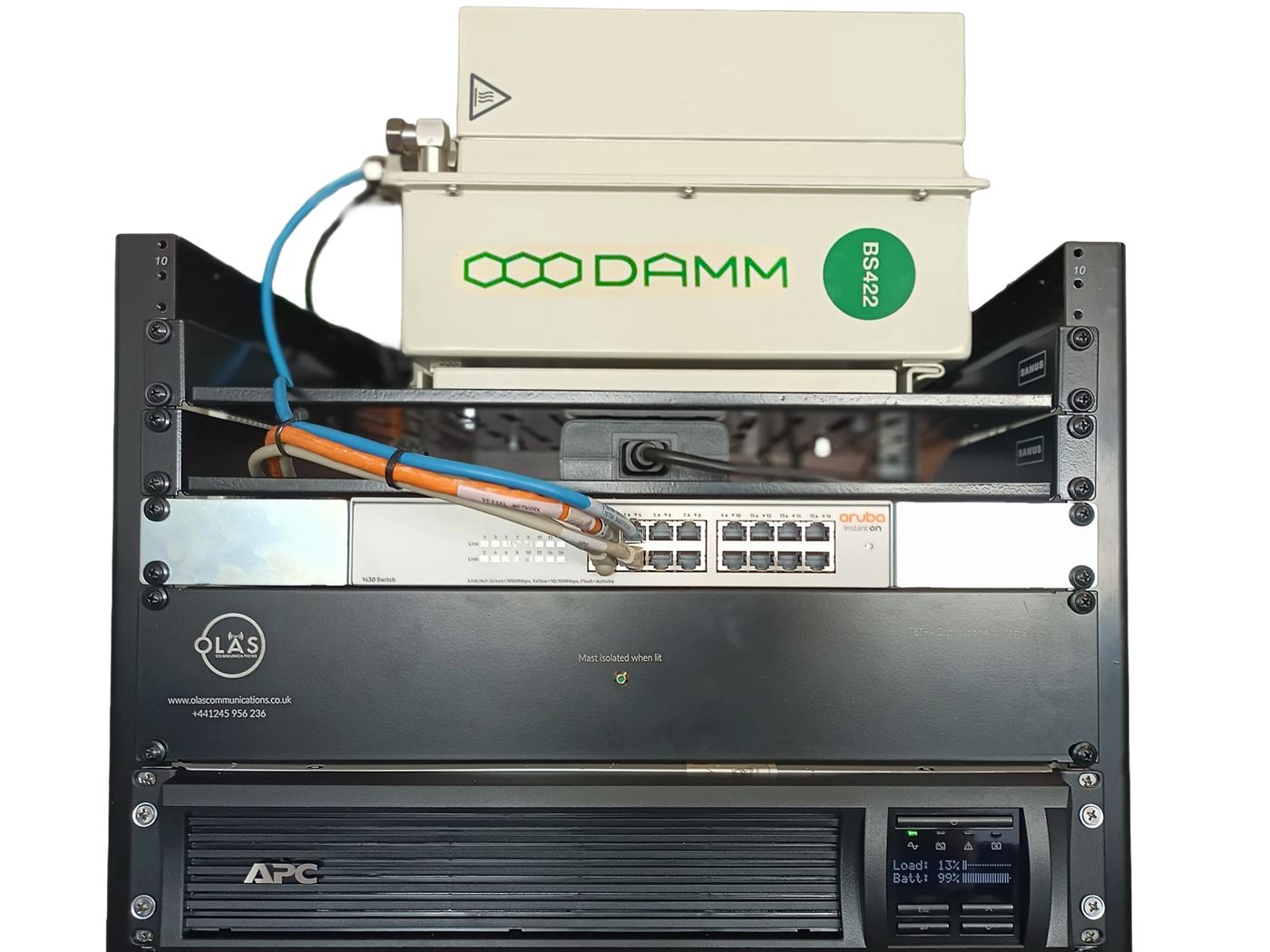
All our radio systems allow for your vessels systems to alarm directly to your radios. This allows vital crew members to carry on with other duties without any worry of missing an alert. Our powerful alarm integration systems allow for engine alarms, AV alarms, GPS tracking, steward calls and many more to be sent directly to the crew member to respond.
Our cutting-edge cellular systems allow for both crew and guest to be connected anywhere in the world. Our simple solution optimises the current infrastructure onboard and reduces the reliance on VSAT. We ensure the coverage meets your requirements providing high speed data and calls up to 20 Km at sea. Our cellular systems are wideband to support all future technologies.
VHF handles bridge-to-bridge and distress traffic under GMDSS. UHF is the workhorse for crew communications onboard, because it penetrates steel decks far better. TETRA and DMR add encryption, group calling and telemetry where a larger vessel needs a managed fleet rather than simplex handhelds.
Yes, in two distinct ways. Alongside and in coastal waters, an onboard cellular repeater or DAS distributes shore network coverage through the vessel. Offshore, an onboard picocell backhauled over satellite gives crew and guests a normal mobile service outside terrestrial range.
DMR is lower cost with simpler infrastructure and suits smaller crews. TETRA offers faster call setup, stronger encryption, better group-call handling and true mission-critical resilience, which is why it dominates on larger yachts and commercial vessels.
A steel hull is effectively a stack of Faraday cages, so coverage has to be distributed rather than broadcast. A passive DAS uses coaxial feeders and splitters to carry signal into the lower decks; an active DAS adds amplification for larger or more complex vessels. The choice depends on deck count, hull material and available cable route.
UK-flagged vessels need a Ship Radio Licence, and operators need the appropriate certificate of competence. Frequencies for onboard UHF must be coordinated so they do not conflict with maritime allocations — part of what we handle as a supplier rather than leaving it to the crew.
Talk to one of our specialist team about marine communications. Call us, email us, or send a message with the form and we will reply as quickly as possible.
