Two-Way Radio Solutions

OLAS supplies, installs and supports two-way radio systems across the UK: digital DMR, TETRA and LTE radios, with the repeaters and in-building coverage that make them work on site. We arrange the licence, and we keep the system running after installation.

Why choose a radio communications system?

The ultra reliable cost-effective radio solution allows instant communication with complete control. Radio allows everyone to be connected at a push of a button. The latest technology of Digital Radio, TETRA or Cellular (4G/5G) ensures we have a solution that is right for you.

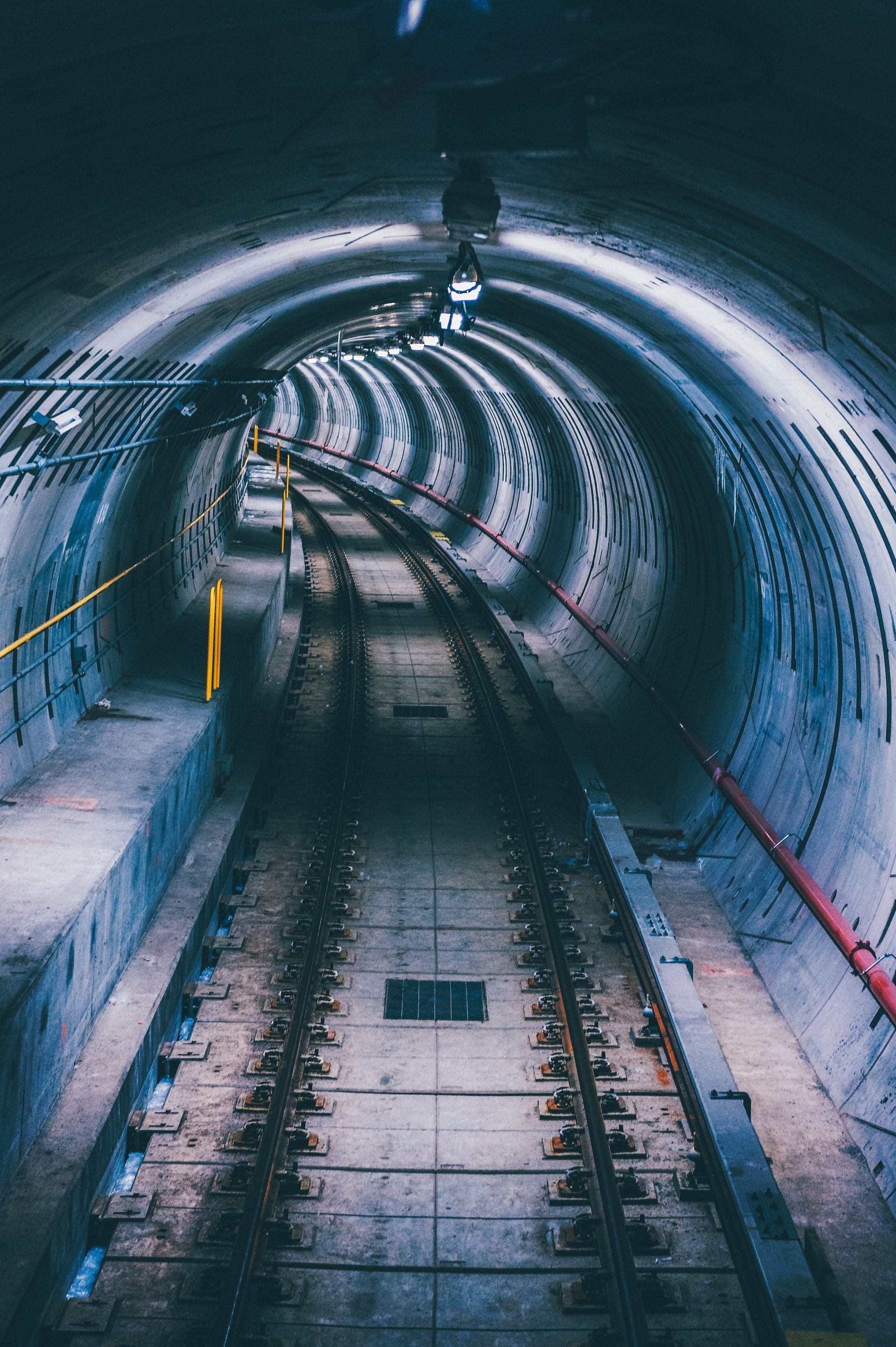
Atex site
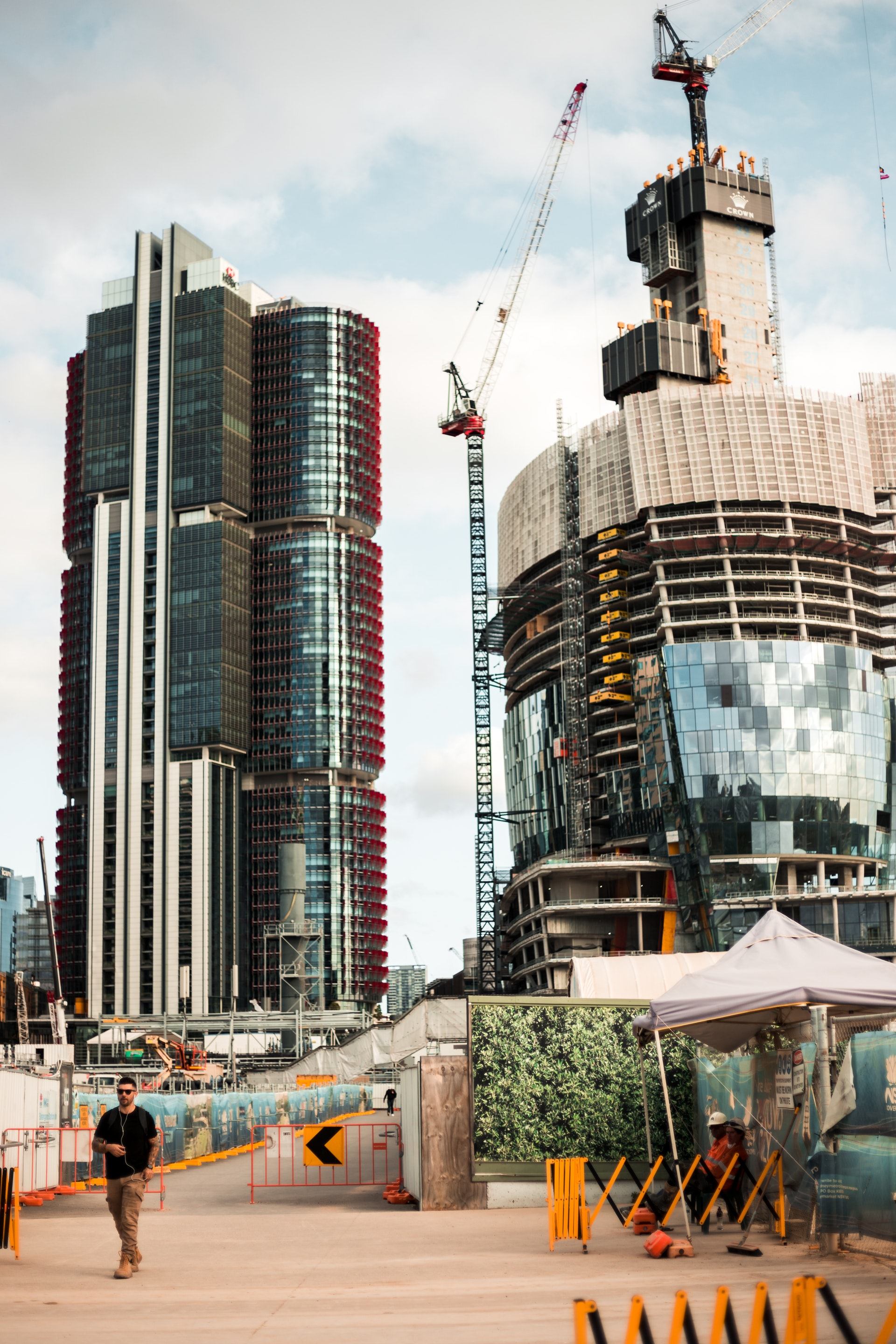
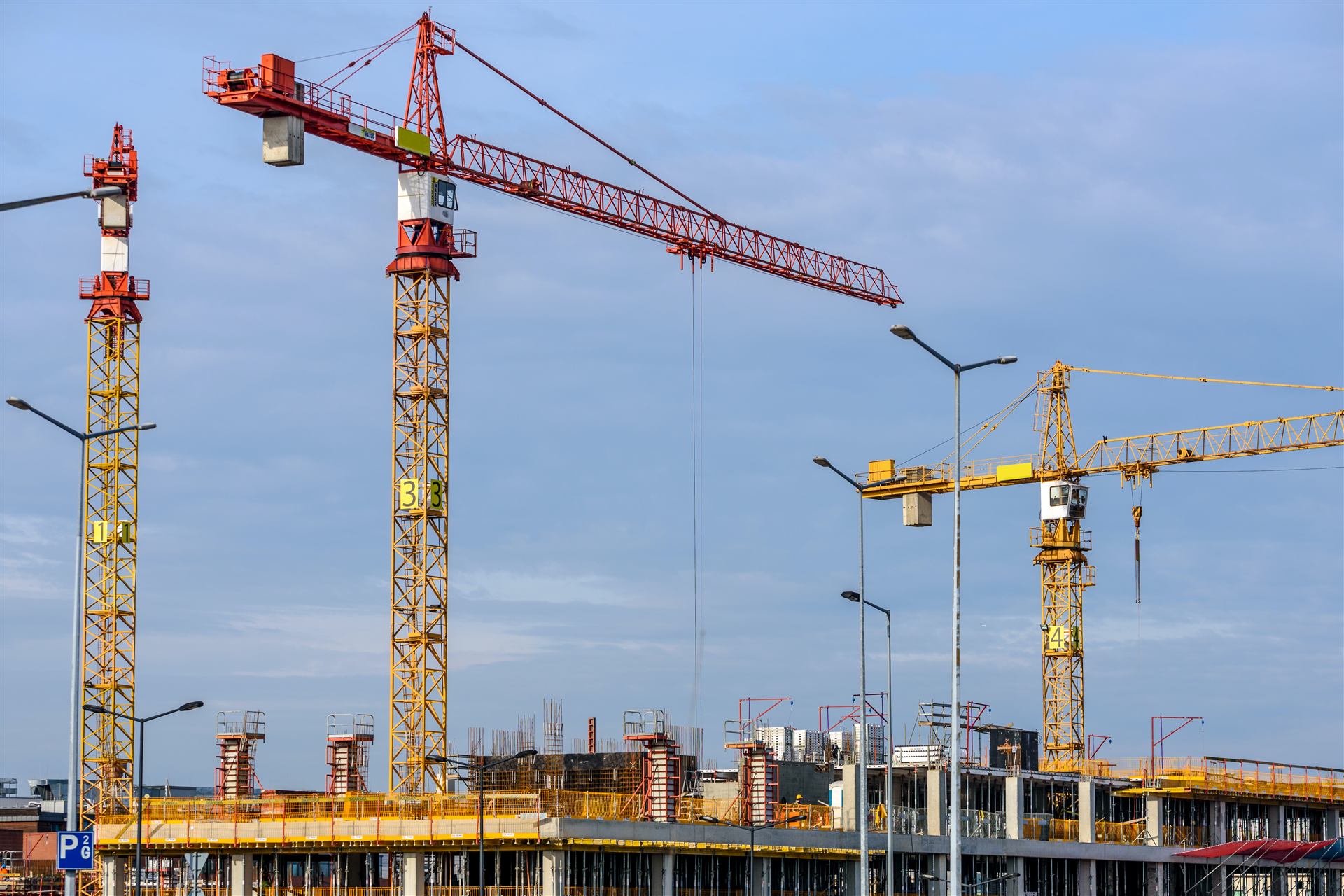
Crane
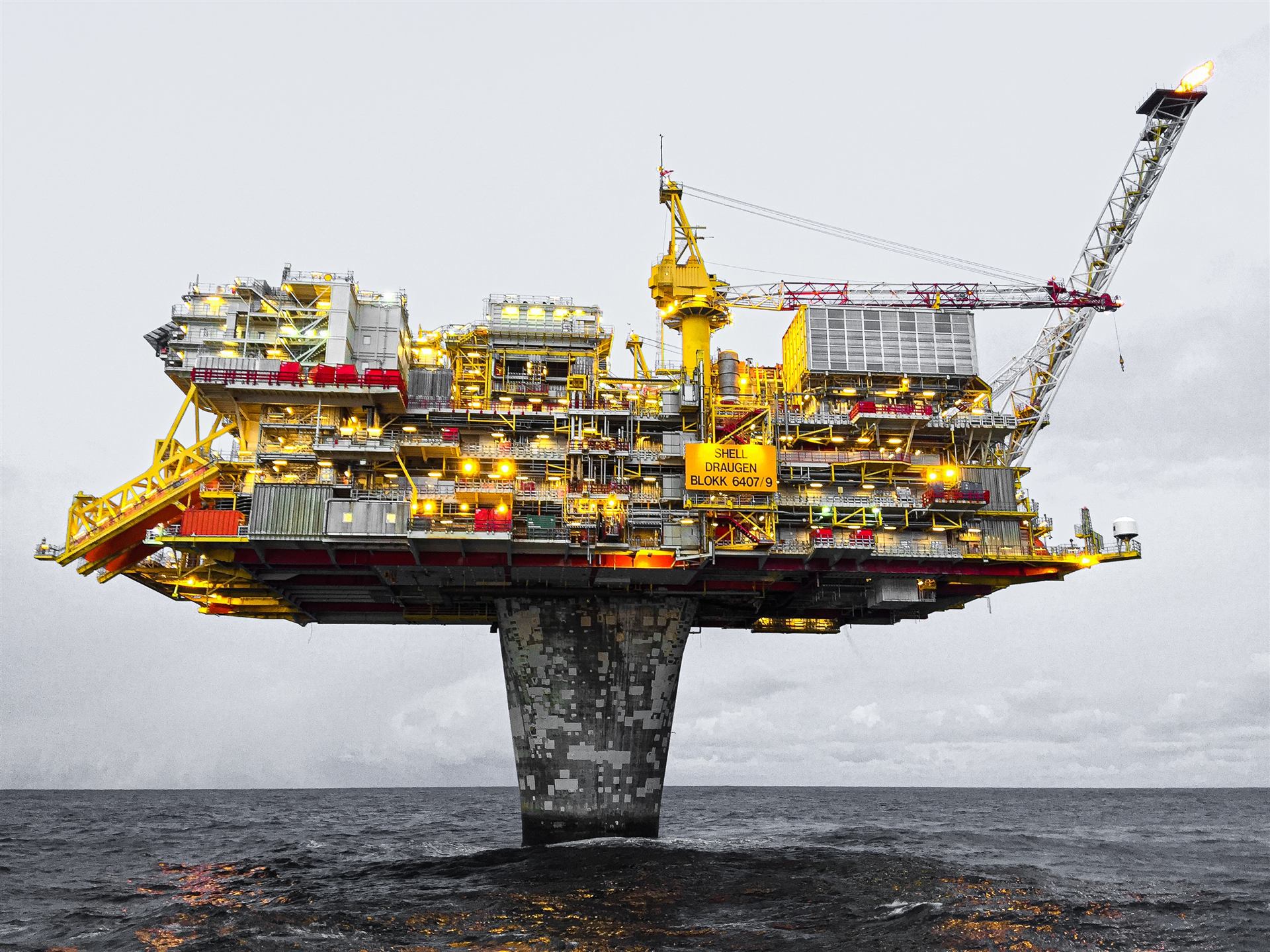
Oil rig
gallery
Building construction
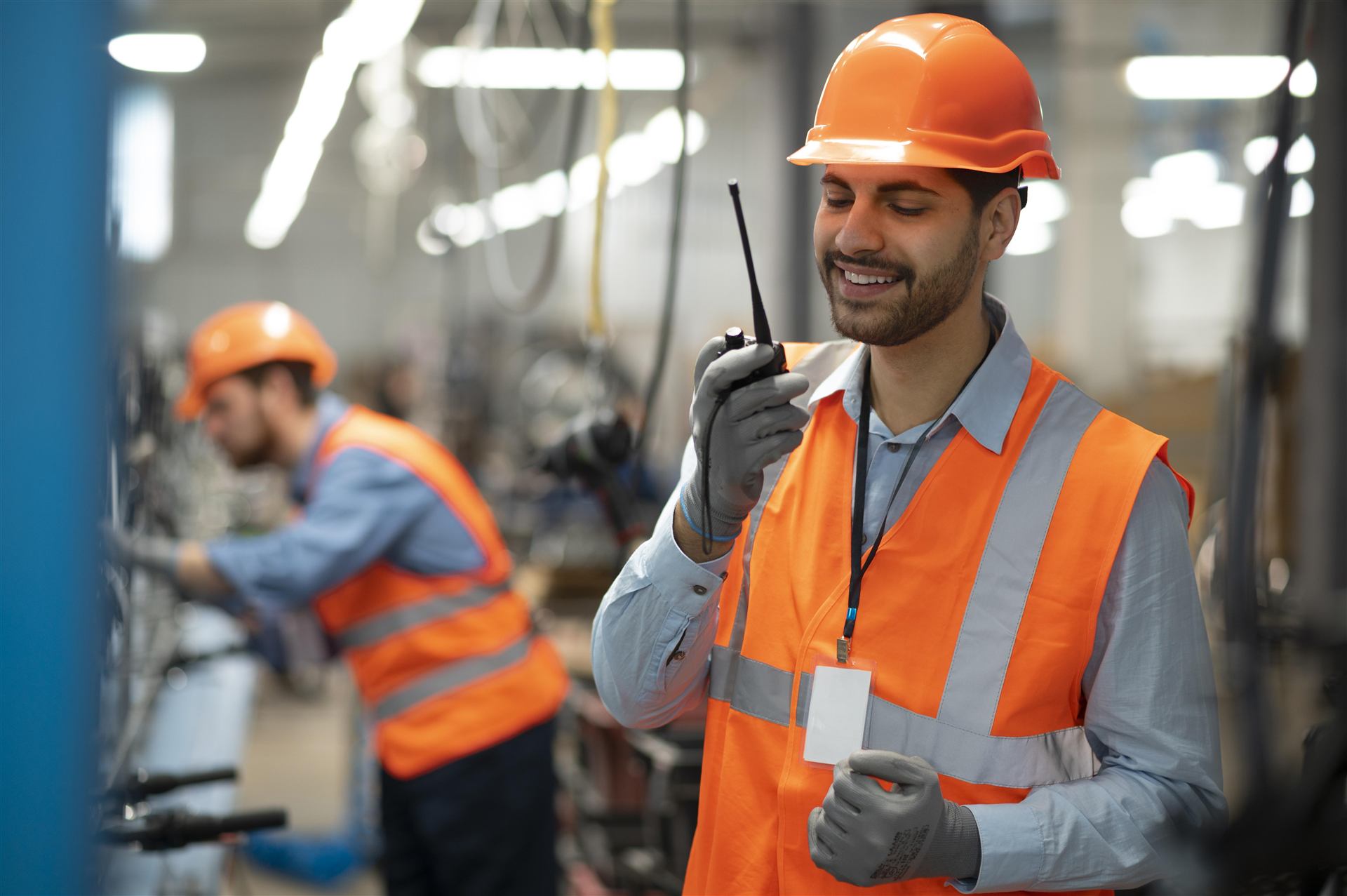
Man with digital radios

Digital Radio (DMR)

Digital Radios are a perfect solution for reliability and cost-effectiveness. We work with industry leading manufacturers to provide feature rich radios. These can work directly radio to radio or via a booster system, which significantly boosts the range of the system. Some of the features include Man Down, Lone Worker, Emergency calls and private calling. Whether you need coverage in a tunnel or acres of land OLAS will find the right solution for you.

Highlighting several LTE Radios

LTE Radios

Say goodbye to communication limitations with our innovative radios, designed to provide wide-area coverage without the need for repeaters or base stations. Our cutting-edge wide-area technology works on both cellular networks and WIFI, allowing dispersed teams to stay connected instantly, even across countries or continents. With our LTE Radios, you can be sure that your team will always be connected, no matter the distance.

Highlighting Alarm integration kit

Radio Integration

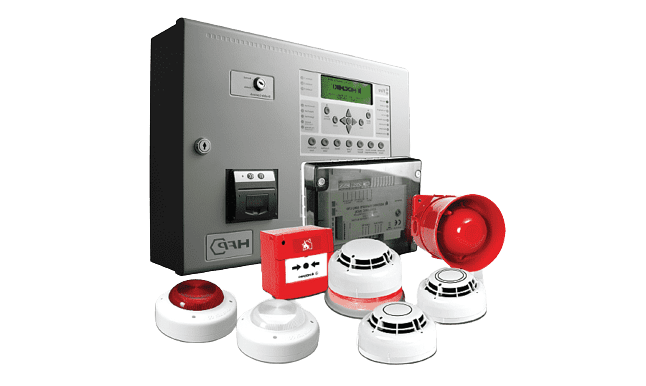
Upgrade your team's safety with our advanced integration applications, compatible with all digital handsets. Receive instant alarms from fire panels, BMS, or any onsite system, ensuring your team stays safe and productive in any situation. With our cutting-edge technology, you can have peace of mind knowing that your team is protected around the clock.

Body cameras we use

Body Cameras

Investing in body cameras can be a cost-effective solution for companies looking to increase safety and security. Unlike traditional security systems, body cameras are portable and can be used by employees across various locations. With over 8 million lone workers in the UK, body cameras can provide crucial protection for your employees, deterring potential perpetrators and reducing the risks of accidents or violence. Plus, in the event of an incident or dispute, they provide valuable evidence for investigations. With their portability and versatility, body cameras are an ideal solution for companies across industries. Don't take chances with your employees' safety – invest in body cameras today.

What We Do

Supply and Installation

We specify the radios, repeaters and coverage the site needs, install and set them up, and arrange the Ofcom licence as part of the system.

Repair and Support

Maintenance, repairs and ongoing support after installation, so the system keeps working as your site and team change.

Who We Work With

Construction and Sites

Site-wide coverage for crane, banksman and site teams, extended into tunnels, basements and cores as the build closes in.

Hotels, Venues and Events

Discreet radios for front of house, security and operations, with coverage reaching back-of-house corridors, kitchens and plant rooms.

Security and Facilities

Lone worker, man down and emergency calling for patrol and facilities teams, and alarms from fire panels and BMS sent straight to the radio.

Industry and Logistics

Reliable voice across factories, warehouses and yards, with radios built for noise, dust and long shifts.

We work with a host of professional manufacturers to provide you the best performing two way radio communication system.

DAMM logoMotorola logoHytera logoIcom logoKenwood logo

Two-Way Radio — Common Questions

Do I need a licence for two-way radio in the UK?

Usually yes. Ofcom licence-exempt PMR446 handsets need no licence but are low power and share their channels with everyone else nearby. Any business system worth relying on runs on licensed frequencies — either a Simple UK Light licence for shared channels, or a Technically Assigned licence giving you frequencies nobody else in the area can use. We arrange the licence as part of the system rather than leaving it with you.

What is the difference between analogue and digital two-way radio?

Digital (DMR) delivers clear voice right to the edge of coverage instead of degrading into hiss, roughly doubles channel capacity by splitting each channel into two timeslots, and extends battery life across a long shift. It also carries data — text, status, telemetry and position — which lets a radio become an alerting device rather than only a talking one.

How do I get radio coverage across a large site or a whole building?

Through infrastructure rather than more power. A repeater extends range across a site; a distributed antenna system carries coverage into the parts of a structure that block signal — basements, cores, lift shafts, tunnels and plant rooms. Which you need is a survey question, and the survey comes before the specification.

Can two-way radios connect to our alarm or telephone systems?

Yes. Alarm and monitoring systems, telephone and PABX systems and service-call points can all raise messages directly to handsets, so an alert reaches the person carrying a radio rather than a panel somebody has to be standing in front of. What is achievable depends on the systems already installed and the interfaces they expose.

Do you repair and support two-way radio systems?

Yes. Alongside supply and installation, OLAS maintains, repairs and supports the systems it installs, including the repeaters and in-building coverage behind the radios.

Which industries do you supply two-way radio to?

Construction and civil engineering sites, hotels, venues and events, security and facilities teams, and manufacturing, warehousing and logistics, as well as superyachts and commercial vessels through our marine work.

How many radios and how much infrastructure do we actually need?

It depends on how many people talk at once rather than how many people you employ. Departments that need to hear each other, peak simultaneous traffic and the coverage area determine channel count and whether a trunked system is justified. We size it from how the site operates, not from a headcount.

Get connected now.

Talk to one of our specialist team about two-way radio. Call us, email us, or send a message with the form and we will reply as quickly as possible.

Send an Enquiry

OLAS colours wave