Marine DAS
Coverage that reaches every deck.
A steel hull is a stack of Faraday cages. Radio coverage below deck has to be distributed, not broadcast — and it has to be proven, not assumed. OLAS designs passive and active distributed antenna systems for UHF, TETRA, DMR and cellular services on vessels from 30m upwards.
Why Below-Deck Coverage Fails
Steel and aluminium decks, watertight bulkheads and machinery spaces attenuate UHF severely. A handheld that works perfectly on the bridge wing can be unusable two decks down, and the dead zones are rarely where anyone expects them to be — tank tops, lazarettes, engine control rooms, tender garages and lift trunks are the usual offenders.
Adding transmit power does not solve it. Power raises interference and battery drain without getting signal through a bulkhead that is already blocking it. The only reliable answer is to carry the signal into each space deliberately.
Passive DAS
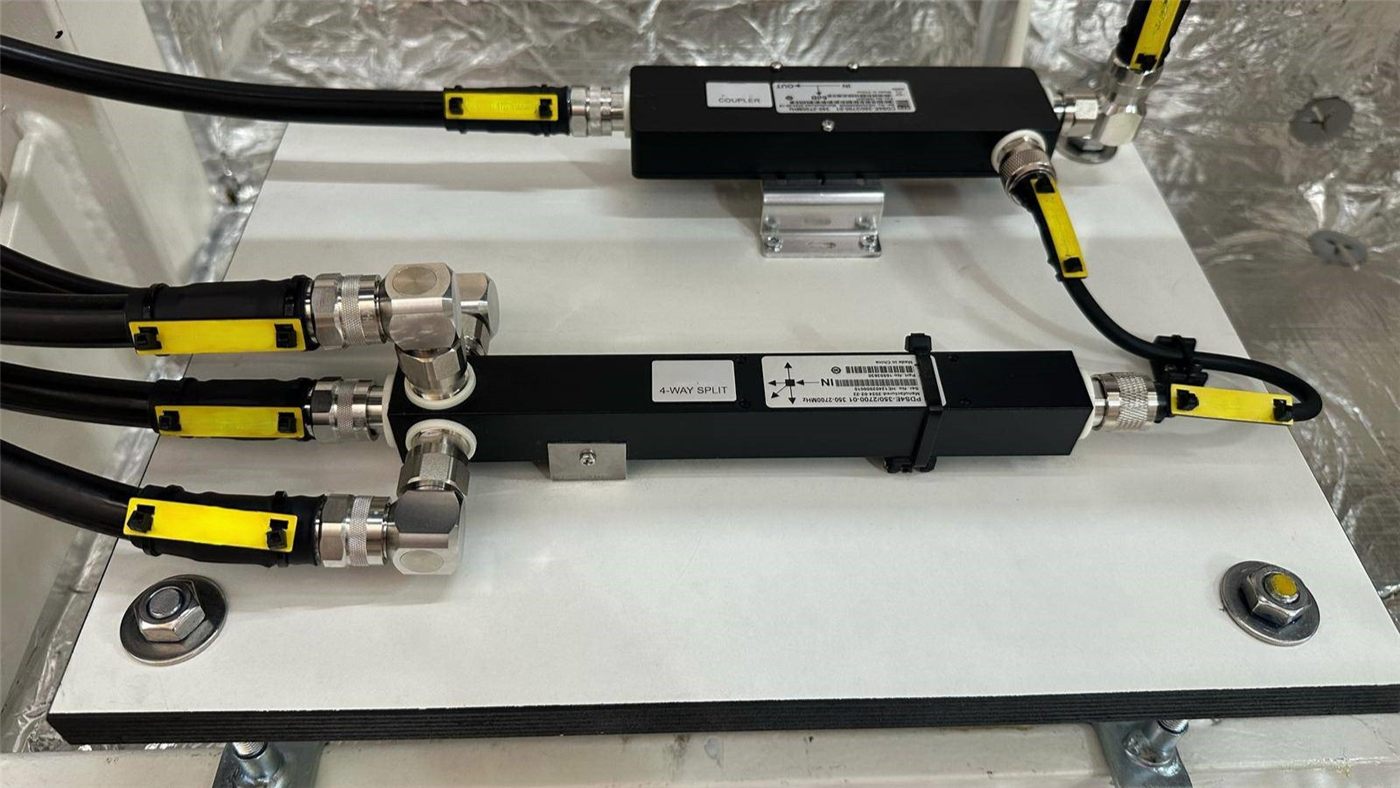
A passive system distributes signal from a single source through coaxial feeders, splitters and couplers to antennas sited in each area needing coverage. There is no amplification in the distribution path, so there is nothing in it to fail, nothing to power and nothing to maintain.
Passive design suits smaller vessels and shorter cable runs. Its limit is loss: every metre of feeder and every splitter costs signal, and beyond a certain hull size the budget runs out before the coverage does.
Active DAS
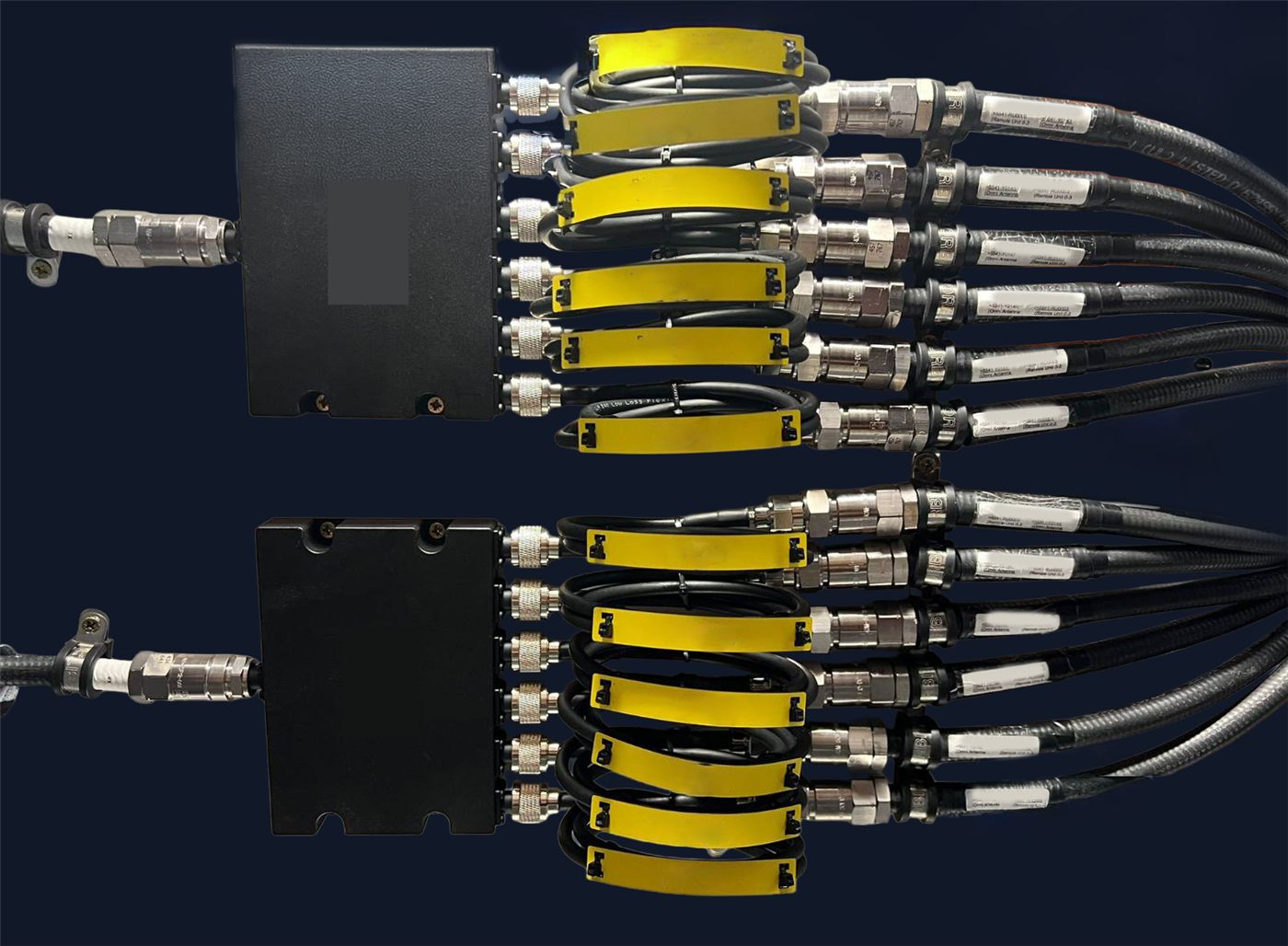
An active system introduces amplification into the distribution, typically over fibre or a hybrid of fibre and coaxial. That overcomes the loss budget that limits a passive design, making even coverage achievable across large hulls, many decks and long runs.
The trade is complexity: active systems need power, need monitoring, and need commissioning properly. On a large yacht they are usually the only option that delivers consistent coverage from tank top to sun deck.
How OLAS Designs and Proves It
Our RF engineers conduct physical and software surveys of the vessel, producing heatmaps that show predicted and then measured coverage area by area. The design follows from that survey rather than from a standard bill of materials.
Coverage is verified on commissioning against the areas defined at the outset, so the handover is evidence rather than assertion. The same distribution can carry UHF crew radio, TETRA or DMR, and cellular services, which avoids installing three separate infrastructures into the same overhead.
As the only DAMM Authorised System Partner in the superyacht industry, we can take a TETRA design from survey through to a supported, licensed system — while remaining vendor-agnostic about the handsets and the surrounding equipment.
Coverage, Measured — Before and After
A coverage heat map of one vessel, from our METS 2026 stand. Each dot is a measurement point: red and orange are unusable or marginal signal, yellow is workable, green is good. On the left is the vessel before the distribution was designed; on the right, the same vessel after.
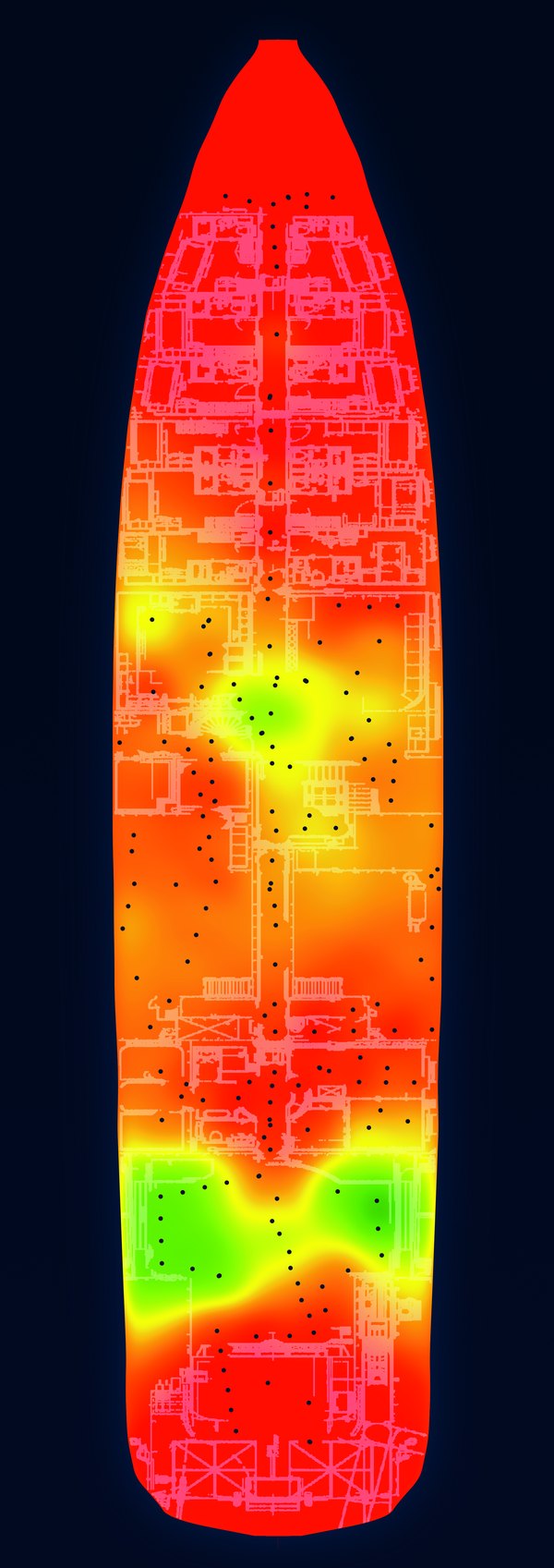
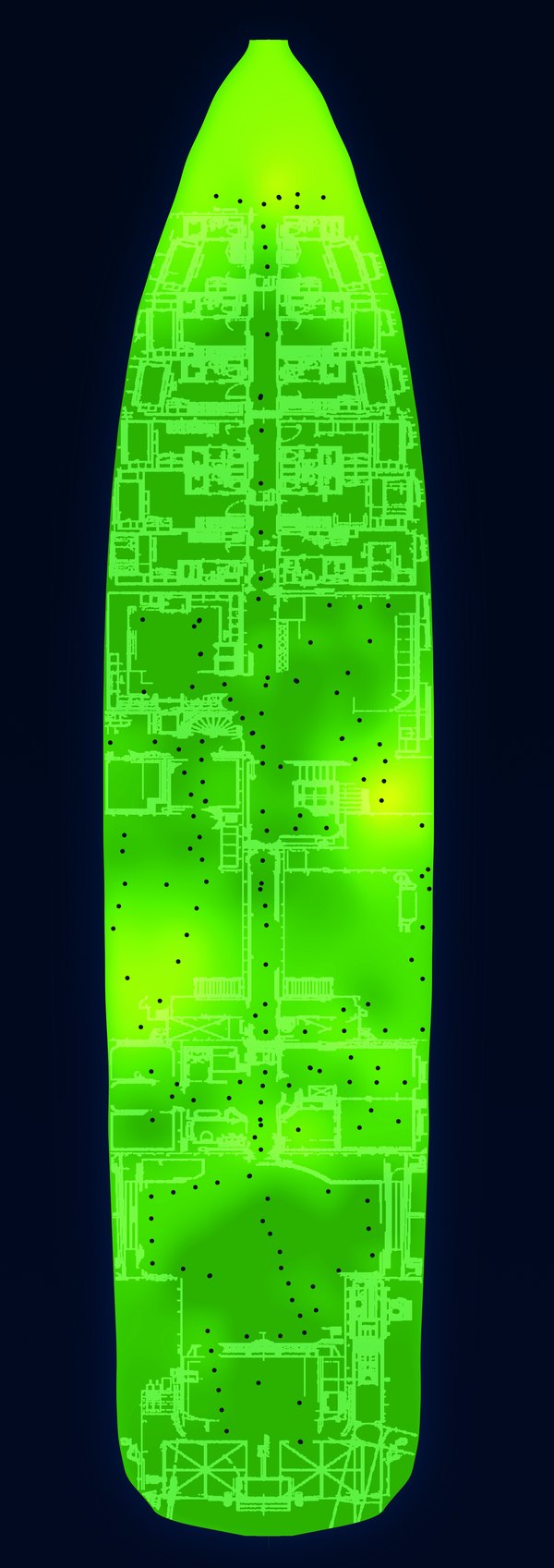
This is what full coverage means when we claim it: the same points, re-measured on commissioning, documented rather than asserted. It is also why the survey comes first — the before map is what tells us where the distribution has to reach.
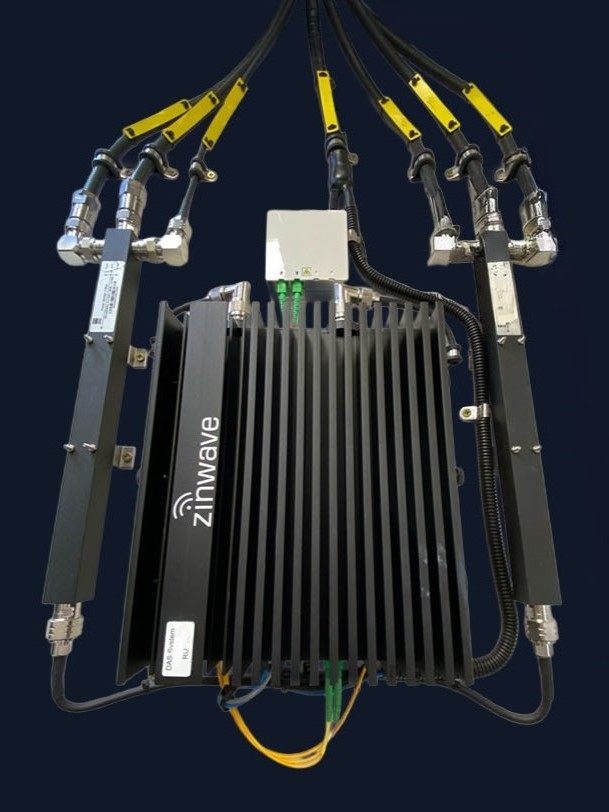
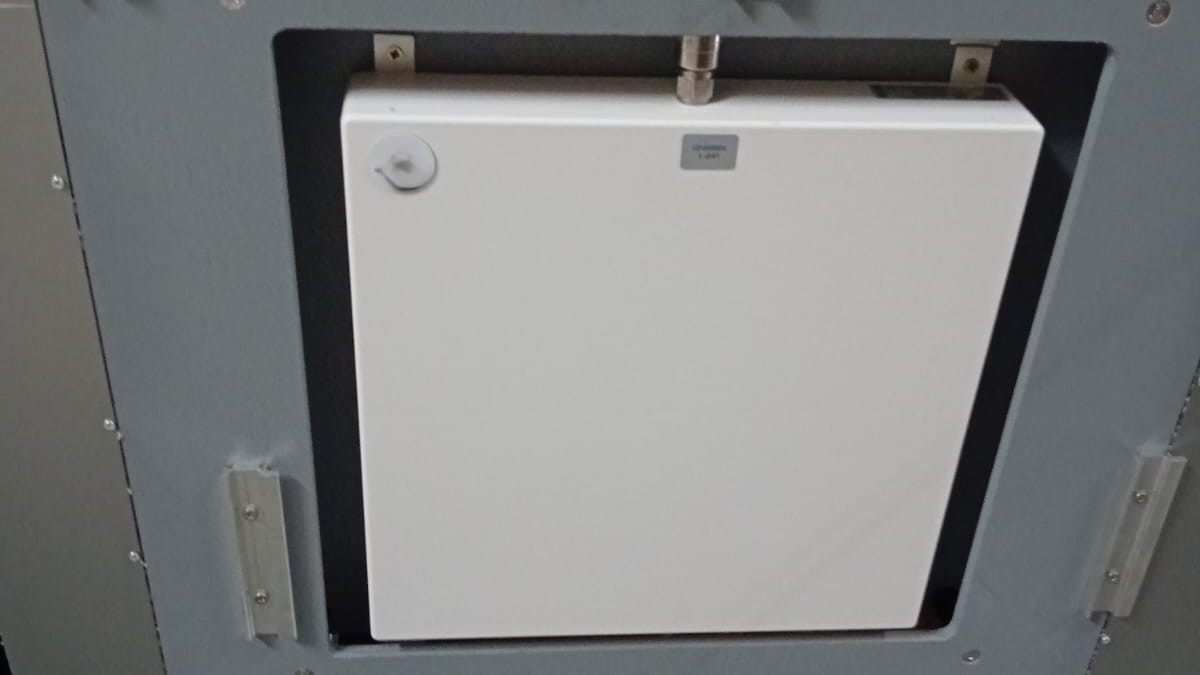
What a Distribution Is Made Of
Marine DAS — common questions
A passive DAS distributes signal through coaxial feeders, splitters and couplers with no amplification — simple, unpowered and reliable, but limited by cable loss. An active DAS amplifies within the distribution, usually over fibre, which overcomes that loss and allows even coverage across large hulls and many decks. Vessel size, deck count and cable route usually decide which is appropriate.
By distributing the signal rather than broadcasting it. Antennas are sited in each space that needs coverage and fed through the DAS, so bulkheads and decks are bypassed rather than penetrated. Raising transmit power does not work — it increases interference and battery drain without getting through the steel.
Yes. A correctly specified distribution can carry UHF crew radio, TETRA or DMR, and cellular services together. That is usually preferable to installing separate infrastructures into the same overhead, both for weight and for access during refit.
Through survey and measurement. We heatmap predicted coverage during design, then verify measured coverage on commissioning against the areas agreed at the outset, so the result is documented rather than asserted.
Usually yes, though cable route is the constraint rather than the electronics. A refit survey establishes what routes exist and where antennas can practically be sited, which is why the survey precedes the design rather than following it.
We're here to help.
Talk to one of our specialist team about Marine DAS. Call us, email us, or send a message with the form and we will reply as quickly as possible.
